
Rain is the first thing to understand about Portland keys
Anyone who has lived in Portland knows the rain. It arrives as a steady drizzle for weeks at a stretch, and it soaks coats, bags and pockets. A car key spends a great deal of its life in that damp, and the fob inside the plastic case slowly absorbs moisture it was never designed to handle.
The usual result is not a sudden failure but a slow decline. Buttons feel mushy, the range shrinks and the car needs two or three presses before it unlocks. Drivers blame the battery, replace it and see no improvement because the contacts are already corroded.
This page starts with that damp reality and then moves through the bridges, trails and neighborhoods that make Portland different. Each section describes a situation, explains why keys are affected and shows what you can do about it.
Water, corrosion and the fob that half works
When a fob gets damp, water creeps along the seam of the case and settles around the battery and the circuit board. Over time, white or green residue forms on the metal contacts. That residue blocks the flow of power, which is why a fresh battery sometimes does not fix a fob that has been through a lot of rain.
If your fob got soaked, open it gently, remove the battery and let everything dry in a warm, ventilated spot. Do not use a hair dryer on high heat, and do not bake it. After it dries, clean the contacts lightly and install a new battery. If it still misbehaves, the board may be damaged.
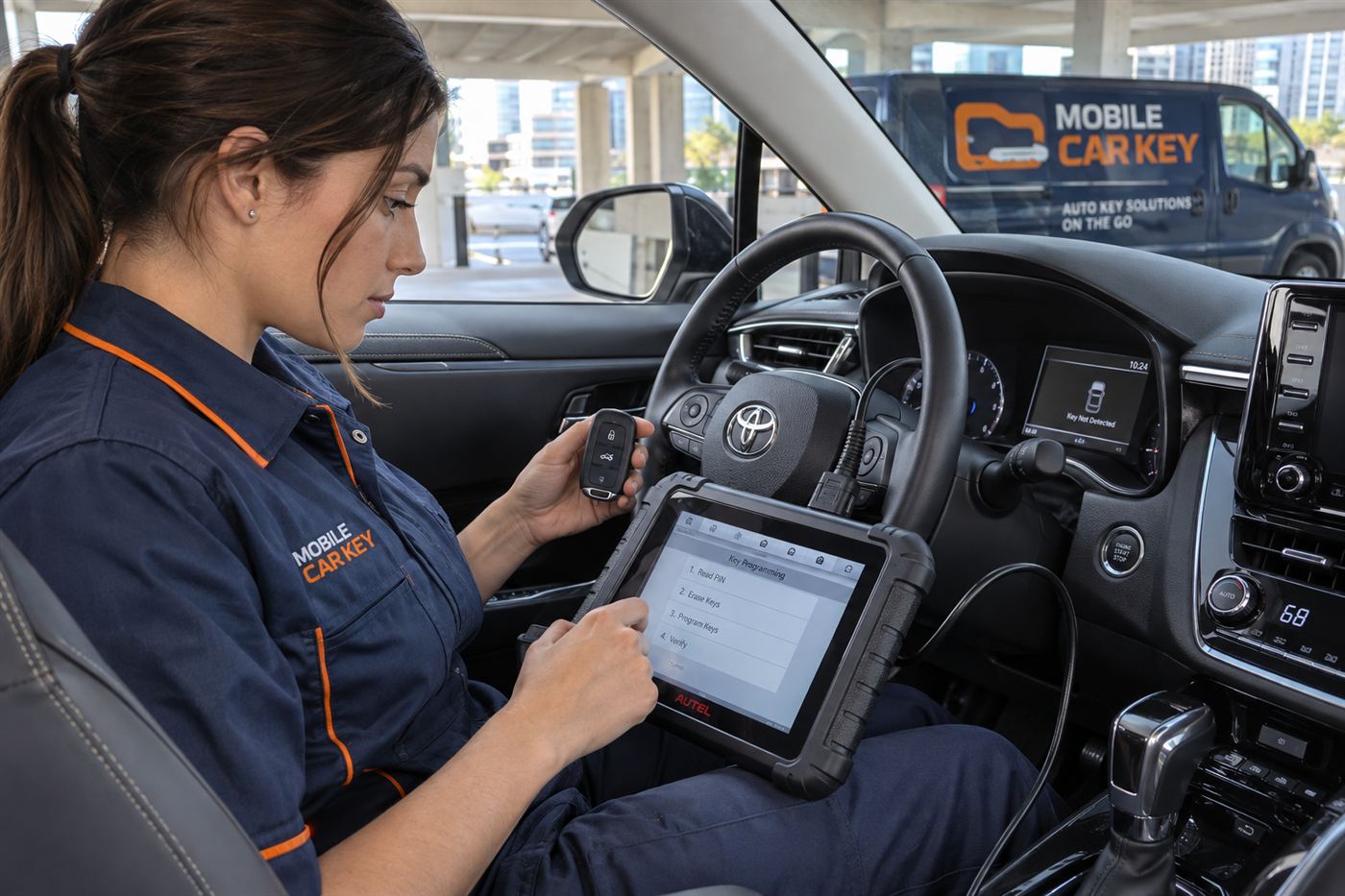
If a replacement is needed, a mobile technician can usually program a new fob to the vehicle where it sits, though limits depend on the vehicle.
- Remove the battery as soon as you can after a soaking.
- Dry the case in a warm, airy place, not in direct heat.
- Clean light residue from the contacts with care.
- Replace the battery with a fresh one of the correct type.
- Test the buttons gently, one press at a time.
Crossing the river: bridges, traffic and where cars end up
Portland is split by the Willamette River, and a cluster of bridges connects the two sides. Traffic funnels onto them at predictable times, and a car with a key problem near a bridge approach can be in a very awkward place. Ramps and viaducts offer little room to stop, and shoulders are narrow.
If your car refuses to start while you are on or near a bridge approach, turn on hazard lights, stay away from moving traffic and call for help from a spot that is out of the lane if you can reach one. Tell the dispatcher which bridge, which direction and the nearest cross street.
Technicians cannot work in places that put them or you at risk. A dispatcher may suggest you move the car to a calmer location if that is possible, or wait on a sidewalk until a plan is made. Plan for the road, not just the key.
Bridge lifts and drawbridge openings on some crossings can also create sudden standstills. If your car stalls behind a stopped line, you cannot simply step out and wait for a technician. Stay inside with your seat belt on unless there is a clear hazard, and keep your hazard lights flashing so that drivers behind you see the problem early.
Trailheads, the Gorge and keys lost in the woods
Portland sits close to forests, waterfalls and mountain views, and weekends see many drivers heading to trailheads. Hikers drop keys while scrambling over rocks, lock fobs in the car before a walk and leave spares in jackets that stay at camp. These problems are unique to the outdoors.
If you realize on the trail that your key is gone, do not rush. Retrace your route in your head, check pockets and the pack, and ask companions to check theirs. If you reach the car and the key is not in your possession, it may be inside the vehicle or on the trail behind you.
Trailhead parking lots are often far from town, on gravel, and short on cell signal. Tell the dispatcher the name of the trailhead, the nearest highway and the distance from the nearest town. Bring water and warm layers, and wait where you can be seen. Daylight shortens early in the year, so a late-afternoon call can turn into a dark wait in a lot with no lighting. Tell someone where you are and when you expect to be back, and keep your phone on low power mode to conserve the battery.
Remote lots and long waits
Coverage and availability are confirmed before dispatch, and distance can matter. Be honest about how remote you are so planning can be realistic.
Cyclists, transit riders and the car that sits too long
Many Portland residents use bikes and public transit for daily trips and drive only on weekends. That is good for traffic but hard on cars. A vehicle that sits for days can develop a weak battery, and a weak battery can make a fob seem dead when the key itself is fine.
Another habit is to tuck a key into a bike bag or a backpack with other gear. Bags are opened, items are swapped and a key goes missing on a transit train. If you rode somewhere and left the car, check the bag, the bench and the transit lost-and-found before assuming the worst.
A car that does not respond after a long idle should be checked for battery trouble first. If a jump start brings it back, the key may be fine. If not, a technician can sort out whether the fob, the immobilizer or the battery is the cause.
Hybrids, electric vehicles and push-button start
Portland has a strong share of drivers who prefer hybrids and electric vehicles, and many of those models use push-button start with a proximity fob. When the fob battery fails, the car may display a message that no key is detected, even though the key is right in your pocket.
Most proximity systems have a fallback, such as holding the fob against a specific spot or using a small mechanical key hidden inside the fob. The owner manual usually shows where to hold the fob. Learning that spot before you need it can turn a stressful morning into a calm one. Try it once on a quiet afternoon, so you know how the car reacts and whether a message appears on the dash. Take a photo of the page in the manual and keep it on your phone.
If the fob is truly dead or lost, programming a new one can involve special equipment, and some models need dealer-level tools or manufacturer access. The electric vehicles page explains what is generally involved.
Airport trips and rental cars
Portland International Airport is a busy gateway, and travelers arrive in rental cars, borrowed vehicles and their own cars from long-term lots. Each case differs. A rental car key belongs to the rental company, which must confirm authorization. A personal car left for a week may have a dead battery that also confuses the fob.
If you are returning from a trip and the car will not start, try the simple checks first. Does the dash light up? Does the fob show a light when you press it? Does the spare key work? Then describe what you saw to the dispatcher.
Keep your ID and a photo of your registration handy. If you are traveling for work, carry your rental or company paperwork as well, since a company vehicle often requires the fleet manager to confirm that you are allowed to drive it. After a long flight you may be tired and rushed, and having documents ready prevents delays at the vehicle.
Across the state line in Vancouver
A short drive north takes you over the Columbia River into Washington. Many people commute across the river or visit for shopping and dining, and a key problem on either side is handled the same way. Coverage is confirmed from the actual location of the vehicle.
Tell the dispatcher which side of the river you are on and which road you are using. A shopping trip across the water can feel local, yet the two sides are different states with different road names and exit numbers, so naming the highway helps the dispatcher place you without guessing. State lines can be easy to cross without noticing, and the person on the phone needs to know where the vehicle really is.
For a wider view, see the pages on Oregon and Washington. If you are traveling farther north, the page on Seattle describes the service there.
Food carts, brewpubs and the evening parking squeeze
Portland nights revolve around food, coffee and craft beverages. Popular streets fill with parked cars, and drivers circle looking for spaces. When a key is lost in the middle of an evening, the problem is made worse by the crowd, the noise and the difficulty of finding the car again.
If you parked in a hurry, you might not recall the exact block. Open a maps app and look at your recent locations, or retrace your steps to the last place you remember using the key. Check the bar, the cart bench and the floor under your table. Ask the staff of the last place you visited to look in the lost-and-found box, since keys are often handed in by honest strangers.
If you decide the key is gone, tell the dispatcher which block, which side of the street and whether any parking rules apply. A clear description makes the visit shorter and easier for everyone.
If you are with a group, appoint one person to handle the call and one to keep an eye on the car. Too many voices on the phone slow the process. Keep your group together, stay on the sidewalk and avoid blocking the driveway of a business that is still open.
Ice storms, cold snaps and the rare winter surprise
Portland does not see snow often, but when it does arrive it can cause real disruption. Ice storms bring down branches, coat streets and trap cars. Cold weakens batteries, and a fob that coped with months of rain may finally give out on a freezing morning.
In a cold snap, key problems often come in clusters. A neighborhood full of cars will struggle at the same time, and demand for roadside help may go up. Plan for a wait, stay warm and avoid standing in a place where ice or traffic is dangerous.
Never force a key that will not turn. A frozen ignition can sometimes be eased by gently warming the key in your hand, but a snapped key is a much bigger repair. If a key breaks off, tell the dispatcher exactly what remains in the lock and do not try to pull it out with pliers.
How a Portland call is handled
The dispatcher begins with the year, make and model of the vehicle, then asks where it is, what happened to the key and whether any working key exists. Photos can help but are not required.
Availability, coverage and terms are confirmed before dispatch. Nothing on this page is a service agreement; it is general education. This step lets you hear the plan before anyone drives toward you.
At the vehicle, the technician confirms ownership or authorization, completes the work and tests it. Testing includes starting the engine, using the remote buttons and making sure the car recognizes the key every time. The key fob programming page describes common cases.
Proving you own or may use the car
A registration or title in your name, with a government photo ID, is the usual proof. Insurance cards, bills of sale and loan statements can supplement these documents when needed.
If the car belongs to a relative, a friend or an employer, authorization matters. The owner may be asked to confirm that you may use the vehicle, and it is helpful if they can be reached while the technician is on site.
Proof protects you. It keeps strangers from obtaining a key to your car, and a reputable service will ask for it every time. If your name on the registration is slightly different from the name on your ID, bring a document that explains the difference, such as a marriage certificate or a court record, so that the technician is not left guessing.
All keys lost: starting from nothing
When no working key remains, a locksmith cannot copy anything. The vehicle must learn a new key, which takes special equipment. Many cars can be handled where they sit, but newer models from some makes need dealer-level tools or manufacturer access.
If you think the key was stolen, report it and mention it when you call. A technician can explain whether old keys can be removed from the vehicle's memory.
Once you have a working key, make a spare. Store it away from your normal bag, and check it occasionally. The vehicle lockouts page covers the related situation where the key is inside the car.
Looking south and beyond
Drivers who head south toward California often pass through Sacramento on the way. The page on Sacramento describes the service in that region. To compare other cities, return to the cities hub.
Whatever city you are in, the steps are the same: describe the vehicle, describe the place, prove ownership and let the technician work at the car. Keep documents handy and your phone charged.
Common questions
Why does my fob stop working after a rainy week?
Moisture can seep into the case and corrode the battery contacts and the circuit board. Remove the battery, dry the fob in a warm and airy place, and clean light residue from the contacts before installing a fresh battery. If it still fails, the board may be damaged and a replacement may be needed. A technician can often program a new fob where the car is parked.
Can a technician come to a trailhead outside the city?
Possibly, depending on distance and availability, which are confirmed before dispatch. Give the trailhead name, the highway and the distance to the nearest town. Mention whether the lot is gravel and whether you have phone signal. Bring water and layers, since the wait in a remote lot can be longer than in town, and a closed forest road can limit where a technician is able to go.
My hybrid says no key detected. What should I try?
First replace the fob battery. Many push-button cars also have a fallback spot where you can hold the fob against the dash, console or steering column. Your owner manual shows the place. If the message continues after these steps, the fob or the car may need programming, which a technician can discuss with you after checking the year, make and model.
I live in Oregon but my car is in Washington. Does that matter?
Coverage is confirmed from where the vehicle actually is, not where you live. Tell the dispatcher which state and road you are on. Your registration from either state is fine for showing ownership as long as the name matches your identification and the vehicle details line up. If the car is a rental, the rental company must confirm you are authorized.
What proof do I need for a car I just bought?
A bill of sale together with the title or a temporary registration and your photo ID is commonly used. If the seller has not yet transferred the title, bring whatever links you to the car and explain the situation on the call so the dispatcher can tell you what may be accepted before a technician is sent to the vehicle.
Is a spare key worth making if I rarely drive?
Yes. A car that sits for long periods is more likely to develop a weak battery, and a spare gives you an option if the first fob fails. Making a spare while you still have a working key is generally simpler than programming a new one after every key is gone, and it costs you far less stress on the day the first key fails.
What if a child is locked in my car?
Call 911 immediately. A child or pet in a closed car is an emergency in any weather. Do not wait for a locksmith. Emergency responders can reach the occupant, and once everyone is out of danger, a technician can help with the vehicle and the replacement keys afterward. The vehicle can always be dealt with later, but the person or animal inside cannot wait.